Custom Automotive Parts Manufacturing in Vietnam: OEM & Aftermarket Sourcing Guide
March 3, 2026 · 18 min read
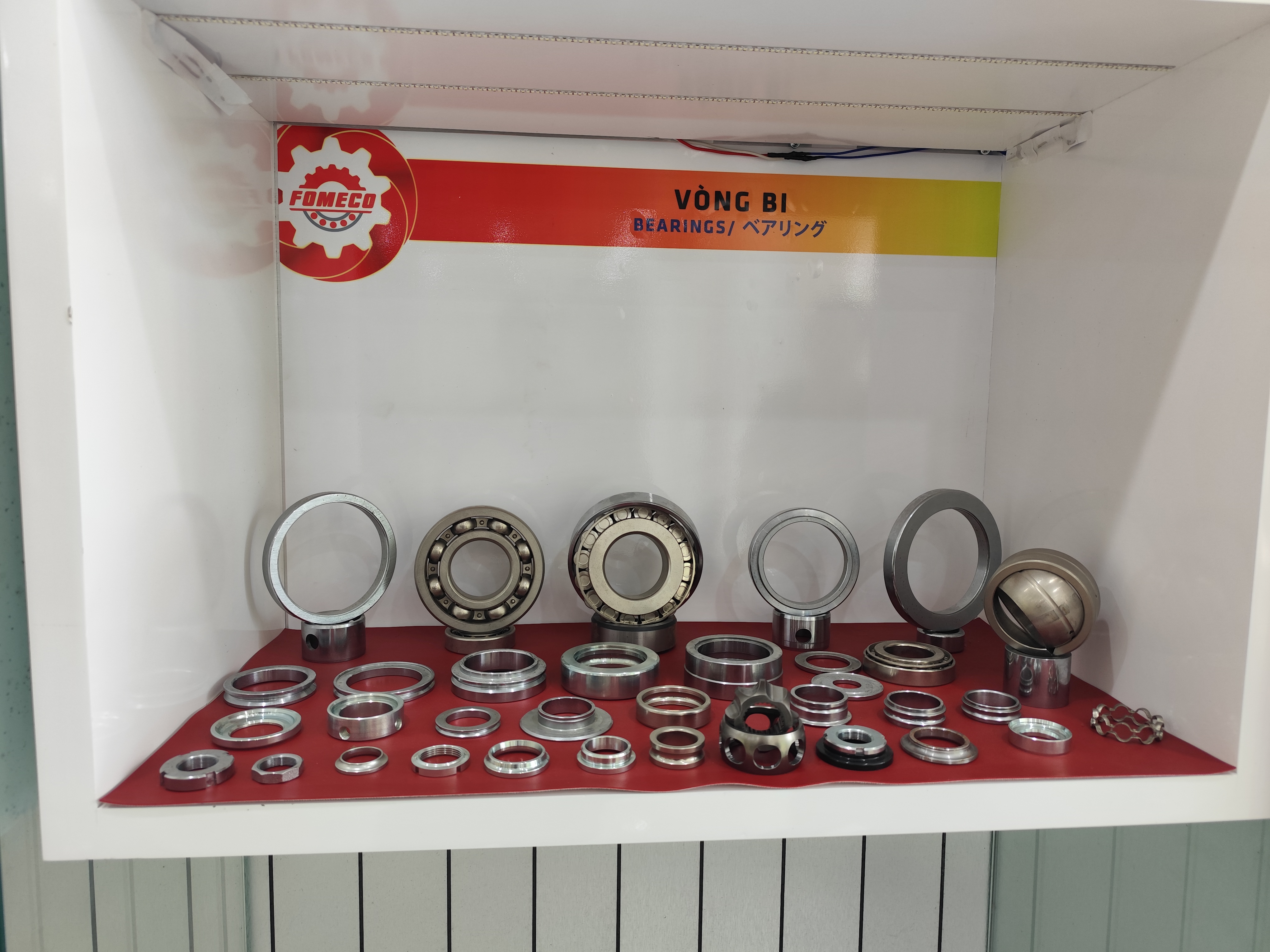
Vietnam's automotive parts manufacturing sector has grown at 18–22% annually since 2022, driven by global OEMs diversifying from China and the country's expanding FTA network. Today, over 400 Vietnamese factories produce automotive-grade components — from CNC-machined brake brackets and transmission housings to stamped body panels and injection-molded interior trim.
For US buyers, Vietnam offers a compelling combination: tariff-mitigated Section 301 tariffs (vs. 25% on Chinese auto parts), IATF 16949-certified suppliers at 40–55% below US domestic costs, and a young, technically skilled workforce trained by Japanese and Korean tier-1 suppliers who've operated in Vietnam for over a decade.
This guide covers everything procurement managers and automotive engineers need to source custom parts from Vietnam — from process capabilities to supplier qualification, with real cost data and practical RFQ tips.
Vietnam offers IATF 16949-certified automotive suppliers at roughly 40–55% below US domestic cost, with tariff-mitigated Section 301 tariff versus 25% on Chinese auto parts. Its strongest capability is CNC machining, backed by growing die casting, stamping, injection molding, and rubber capacity.

Inside a Vietnam Technology Manufacturing Plant — CNC & Automation
Watch on YouTube
Real footage from an audited DEWIN partner factory in Vietnam.
Automotive Part Types Manufactured in Vietnam
Vietnam's automotive supply chain covers most part categories. Here's what's competitively produced, with realistic capability assessments:
CNC Machined Components (Strongest Capability)
Vietnam's CNC sector is its most mature for automotive work, with many shops running Japanese and Korean equipment (Mazak, Doosan, Fanuc, Brother) at automotive-grade precision:
- Brake caliper brackets: AL6061-T6 or ductile iron GGG50, ±0.025mm tolerances, volumes 5,000–200,000/year
- Transmission housings: ADC12 die-cast + CNC finish machining, bore tolerances ±0.015mm, Ra 1.6µm on sealing surfaces
- Steering knuckles: Forged 4140 + CNC machining, ball joint bore to ±0.01mm, heat treated HRC 28–32
- Engine mount brackets: Ductile iron or aluminum, 3-axis CNC, $3.50–12.00/piece depending on complexity
- Suspension components: 4340 or 4140 steel, through-hardened, ±0.025mm on critical features
- EV motor housings: AL6061-T6, 5-axis CNC, water jacket channels, Ra 0.8µm on sealing faces — growing segment
Stamped & Pressed Components
- Body panels and brackets: SPCC, SPHC, SGCC (galvanized), 30–1000 ton presses, progressive dies
- Structural brackets: SAPH440, DP590 (dual-phase), HSLA steels — advanced high-strength steel stamping is available at top-tier shops
- Heat shields: Stainless steel 409/439, deep-drawn up to 300mm depth
- Cost benchmark: Progressive die stamped brackets at $0.15–2.00/piece for volumes >50,000/year. Tooling: $8,000–45,000 for progressive dies depending on complexity.
- Lead time: Tooling 6–10 weeks, production 2–4 weeks per order
Die Cast Components
- Aluminum die casting: ADC12 (A383 equivalent), A380, AlSi9Cu3 — 250 to 1,600 ton machines available
- Zinc die casting: Zamak 3, Zamak 5 — for smaller precision parts, connectors, housings
- Common automotive parts: Valve bodies, pump housings, transmission cases, ECU enclosures, EV battery enclosure components
- Typical tolerances: ±0.05mm as-cast, ±0.015mm with CNC post-machining on critical features
- Cost benchmark: $1.50–8.00/piece for medium complexity parts at 20,000+/year volumes. Tooling: $15,000–80,000 for die cast dies.
- Porosity control: Top Vietnam shops offer vacuum-assisted die casting for porosity-critical applications (hydraulic valve bodies, pressure-tested housings).
Injection Molded Interior & Exterior Parts
- Interior trim: ABS, ABS+PC, PP+EPDM — dashboard components, door panels, console parts
- Under-hood components: PA66+GF30, PBT+GF30 — connector housings, sensor brackets, air intake components
- Exterior: ASA, PC+ABS — mirror housings, grille components, light bezels
- Multi-material: Double-shot (2K) injection molding available — soft-touch over rigid substrate
- Tooling cost: $5,000–60,000 depending on cavitation, material, and complexity. Vietnam mold makers are 35–50% cheaper than US/European tooling.
Rubber & Silicone Components
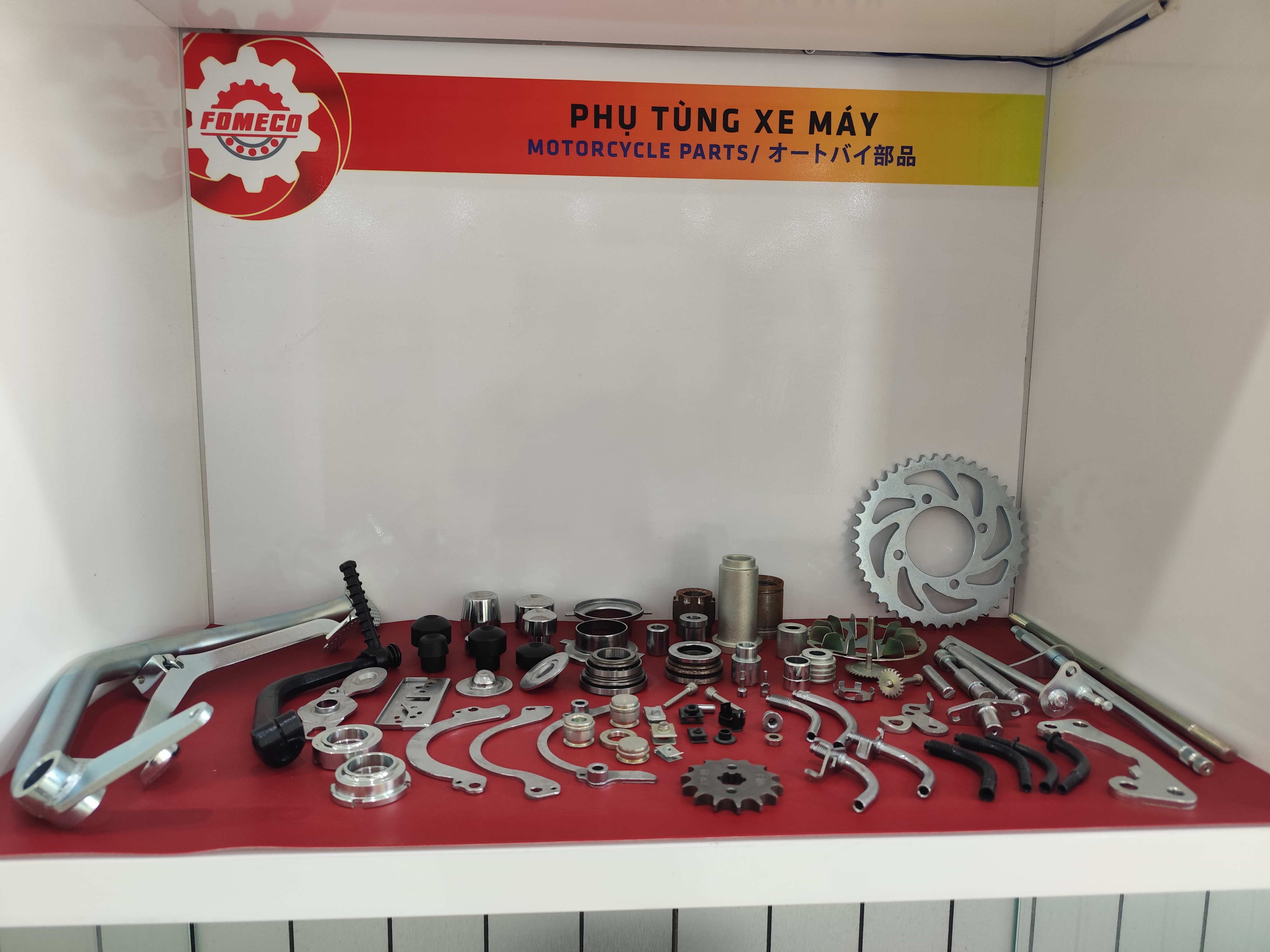
- Engine seals & gaskets: FKM (Viton), NBR, EPDM — compression and transfer molded
- Vibration mounts: NR (natural rubber), CR (neoprene) — bonded to metal inserts
- Weatherstrips: EPDM extruded profiles — Vietnam has significant capacity from Japanese joint ventures
- Key advantage: Vietnam is the world's 3rd-largest natural rubber producer — raw material costs are 15–25% lower than China for NR-based compounds
Cost Comparison: Vietnam vs. China vs. US for Automotive Parts
These are real-world averages across our supplier network in 2026, including material, machining/processing, and treatment — but NOT including freight or tariffs:
On FOB price Vietnam is roughly on par with China, but the 25% Section 301 tariff on Chinese auto parts makes Vietnam 20–30% cheaper landed. For rubber components, Vietnam's position as a top natural-rubber producer makes it cheaper even before tariffs.
| Component Type | Vietnam (FOB) | China (FOB) | China + 25% Tariff | US Domestic |
|---|---|---|---|---|
| CNC bracket (AL6061, medium complexity) | $4.80 | $4.20 | $5.25 | $11.50 |
| Die cast housing (ADC12, 500g, 50K/yr) | $3.20 | $2.80 | $3.50 | $8.00 |
| Stamped bracket (SPCC, progressive die, 100K/yr) | $0.35 | $0.28 | $0.35 | $0.85 |
| Injection molded trim (ABS+PC, 200g) | $0.85 | $0.72 | $0.90 | $2.20 |
| Rubber vibration mount (NR, bonded) | $1.20 | $1.35 | $1.69 | $3.80 |
Key takeaway: Vietnam is roughly on par with China's FOB price — but 20-30% cheaper once Section 301 tariffs are factored in. For rubber parts where Vietnam has raw material advantage, Vietnam is cheaper even before tariffs.
IATF 16949 & Quality Standards in Vietnam
IATF 16949 is the global standard for automotive quality management. Vietnam's IATF 16949 certification base has grown from approximately 80 certified facilities in 2021 to over 220 in 2026, driven primarily by Japanese (Toyota, Honda, Denso) and Korean (Hyundai, Samsung SDI) tier-1 supply chain development.
IATF 16949 is the automotive quality benchmark, and Vietnam's certified base has grown to over 220 facilities — enabling Level 3 PPAP, SPC with Cpk targets, and full material traceability. Always verify a certificate on the IATF database, not the supplier's word.
What IATF 16949 Means for Your Sourcing
- PPAP capability: Certified suppliers can produce Level 3 PPAP packages (control plans, PFMEA, capability studies, dimensional results, material certs) — standard for OEM qualification
- SPC implementation: Real-time Statistical Process Control on critical dimensions — CPk ≥1.33 on key characteristics, CPk ≥1.67 for safety-critical
- Traceability: Material lot tracking from raw stock to finished part — essential for automotive recall procedures
- 8D problem solving: Structured corrective action response — your quality team can engage at the same methodology level as with any global supplier
Beyond IATF: Other Relevant Certifications
- ISO 9001:2015: Baseline quality standard — virtually all export-oriented Vietnam factories have this
- ISO 14001: Environmental management — required by most European OEMs, increasingly by US buyers
- IATF 16949:2016: Automotive quality — verify on the IATF database (iatfglobaloversight.org), not just the supplier's word
- CQI-9 (Heat Treatment): If your parts need heat treatment, ask if the supplier or their subcontractor follows CQI-9 process assessment
- CQI-11 (Plating): For chrome, zinc, or nickel plated automotive parts
- CQI-12 (Coating): For powder coating, e-coating, or other protective coatings on structural parts
Tariff & Trade Advantages
The tariff math alone is driving billions of dollars of automotive sourcing from China to Vietnam:
- Section 301 tariffs: 25% on most Chinese-origin auto parts (HTS chapters 73, 76, 84, 87). Vietnam: 0%. On a $5M annual spend, that's $1.25M in tariff savings.
- USMCA content: Vietnam-sourced components can be assembled in Mexico under USMCA, counting toward regional value content for duty-free US entry. This is a key strategy for parts that need USMCA qualification.
- CPTPP benefits: Vietnam's membership gives preferential tariff treatment with Japan, Australia, Canada, and 8 other Pacific Rim markets — useful for US companies with global distribution.
- EU-Vietnam FTA (EVFTA): If you sell into Europe, Vietnam-origin parts get progressive tariff elimination — many categories already at 0%.
- Anti-circumvention risk: US Customs is actively investigating Chinese goods trans-shipped through Vietnam with minimal value-add. Ensure your supplier does genuine manufacturing in Vietnam — we verify this during factory audits.
How to Qualify a Vietnam Automotive Supplier
Automotive parts have zero margin for quality failures — a single defective brake bracket can trigger recalls worth millions. Here's the qualification process we recommend:
- Desktop audit (Week 1–2): Request and verify IATF 16949 certificate on iatfglobaloversight.org, review equipment list against your part requirements, check export history (Vietnam customs data is accessible), confirm capacity vs. your volume needs.
- Sample order (Week 3–6): Submit drawings for 20–50 sample parts. Request PPAP Level 1 (warrant only) for the sample run. This filters out 60% of suppliers who can't hold your tolerances.
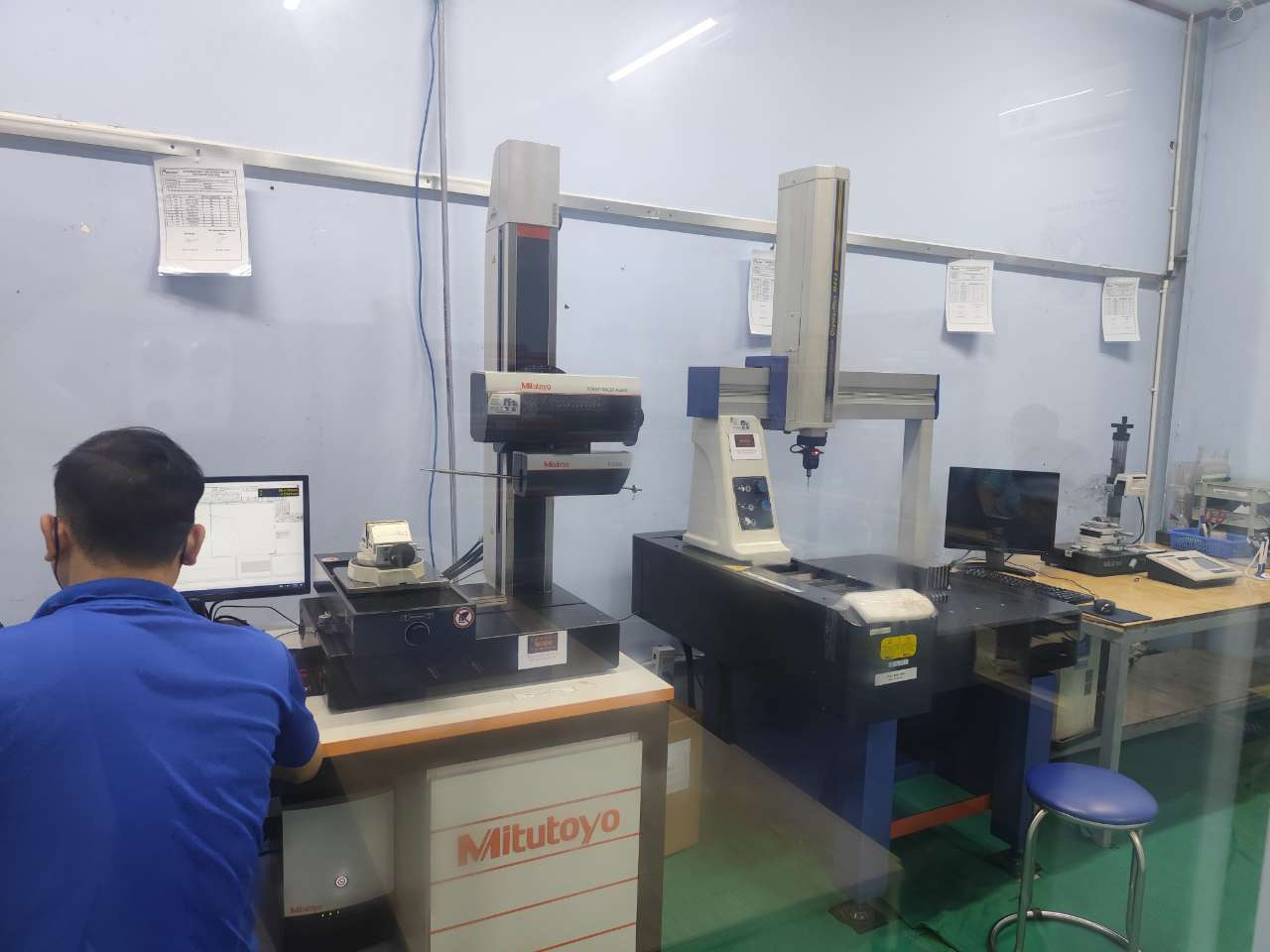
- Factory audit (Week 6–8): On-site visit or third-party audit (SGS, TÜV, Bureau Veritas). Key things to verify: equipment condition and maintenance records, calibration status of measurement equipment, atmosphere control in heat treatment (if applicable), worker training records and skill matrices, sub-supplier management for raw materials.
- PPAP submission (Week 8–14): Full Level 3 PPAP including: process flow diagram, control plan, PFMEA, dimensional results (full layout), material test reports, capability study (Cpk) on critical characteristics.
- Pre-production run (Week 14–18): 500–2,000 pieces at production conditions. Verify process stability, measure actual Cpk, test parts in your assembly environment.
- Production release (Week 18+): Ongoing monitoring with periodic audits. Initial shipments with 100% inspection, transitioning to skip-lot as confidence builds.
EV Components: Vietnam's Growth Segment
Electric vehicle parts are the fastest-growing segment of Vietnam's automotive manufacturing, driven by VinFast's domestic production and global OEMs setting up EV supply chains in Southeast Asia:
- Battery enclosures: Sheet aluminum (5052, 6061) welded and CNC-machined assemblies. Friction stir welding (FSW) capability is emerging at top-tier shops.
- Motor housings: AL6061-T6, 5-axis CNC, integrated cooling channels. Tolerances ±0.02mm on bearing bores. $35–120/piece depending on size and complexity.
- Busbars: Copper (C110) CNC machined or stamped, nickel or tin plated. High-current conductors for battery packs.
- Thermal management components: Aluminum cold plates (CNC machined channels or brazed), coolant manifolds, heat sinks for power electronics.
- Charging connector housings: PA66+GF30 injection molded, overmolded with silicone seals. IATF 16949 + UL rated.
Logistics & Lead Time Planning
- Ocean freight to US West Coast: 18–22 days from HCMC (Cat Lai port) or Hai Phong. Current rates: $2,800–4,200 per 40ft container (Q1 2026).
- Ocean freight to US East Coast: 28–35 days via Suez or transpacific + rail. $4,500–6,500 per 40ft container.
- Air freight (urgent): 3–5 days, $4–7/kg from Vietnam to US. Use for samples, pre-production, or emergency replenishment only.
- Total lead time (new part): Tooling 6–12 weeks + PPAP 4–6 weeks + first production 2–4 weeks = 12–22 weeks to first delivery. Plan accordingly.
- Reorder lead time: 3–6 weeks production + 3–5 weeks ocean freight = 6–11 weeks. Many buyers maintain 2–3 months safety stock to buffer variability.
- Packaging requirements: Specify automotive-grade packaging in your RFQ — VCI wrapping for metal parts, dunnage trays for precision components, humidity indicators in containers. A $0.15/part packaging investment prevents $5.00/part corrosion claims.
Aftermarket Parts: Lower Barriers, Faster Entry
If you're in the aftermarket space (replacement parts, performance parts, accessories), Vietnam offers even faster onboarding:
- No IATF requirement: ISO 9001 is sufficient for most aftermarket applications. This expands your supplier pool significantly.
- Lower MOQs: Aftermarket volumes (500–10,000/year) are well-suited to Vietnam's mid-sized factories. Many Chinese suppliers have moved upmarket to higher-volume OEM work, creating a sweet spot for Vietnam.
- Reverse engineering: Vietnam shops can work from samples, 3D scans, or even photos to produce replacement parts. Expect ±0.05mm accuracy from reverse-engineered parts without original drawings.
- Private labeling: Most Vietnam factories are contract manufacturers without their own brands — they'll produce under your brand, packaging, and part numbers.
- Typical timeline: Sample from existing drawing: 2–3 weeks. Reverse engineered sample: 3–5 weeks. First production order: 4–6 weeks after sample approval.
RFQ Checklist for Automotive Parts
Include these in every automotive parts RFQ to get accurate quotes and avoid back-and-forth:
- 2D drawing (PDF) + 3D model (STEP/IGES): Both are essential. The 2D drawing carries GD&T and notes; the 3D model enables CAM programming.
- Material specification with standard: "4140 per ASTM A29" not just "steel." Include temper/condition.
- Annual volume + order batch size: "50,000/year in quarterly batches of 12,500." Volume affects tooling amortization and piece price.
- Surface treatment: Plating type and thickness, paint specs (color, mil thickness, salt spray hours), powder coat, e-coat.
- Heat treatment: Hardness range, case depth, governing standard (see our heat treatment guide).
- Testing requirements: CMM report, material cert (MTR), salt spray test hours, PPAP level.
- Packaging specification: Or state "propose automotive-grade packaging."
- Delivery terms: FOB Vietnam, CIF US port, or DDP US warehouse.
- Quality standard: IATF 16949 required? ISO 9001 sufficient? Incoming AQL level?
Source Automotive Parts from Vietnam
Upload your drawings and get quotes from our network of IATF 16949-certified Vietnam automotive suppliers within 48 hours. We handle supplier qualification, PPAP management, and in-process quality inspection — so you get production-ready parts without the sourcing risk.
Request a Quote →Frequently Asked Questions
Do I need an IATF 16949 supplier for aftermarket auto parts?
ISO 9001 is sufficient for most aftermarket applications, so IATF 16949 is not required for replacement, performance, or accessory parts. Dropping that requirement expands the supplier pool significantly and suits aftermarket volumes of 500–10,000 per year, which fit Vietnam's mid-sized factories well. IATF 16949 remains essential for OEM programs and safety-critical components.
How do I avoid Section 301 back-duties on Vietnam-sourced auto parts?
Genuine manufacturing in Vietnam is what earns the tariff-mitigated Section 301 rate, so confirm your supplier performs real value-added production rather than re-labeling Chinese parts. US Customs actively investigates Chinese goods trans-shipped through Vietnam with minimal value-add, and an on-site factory audit is the practical way to verify provenance before committing volume.
What packaging should I specify for automotive parts shipped from Vietnam?
Automotive-grade packaging means VCI wrapping for metal parts, dunnage trays for precision components, and humidity indicators in containers — state it in the RFQ rather than leaving it to the supplier. A $0.15 per part packaging investment prevents $5.00 per part corrosion claims, which matters across an 18–22 day ocean transit to the US West Coast.