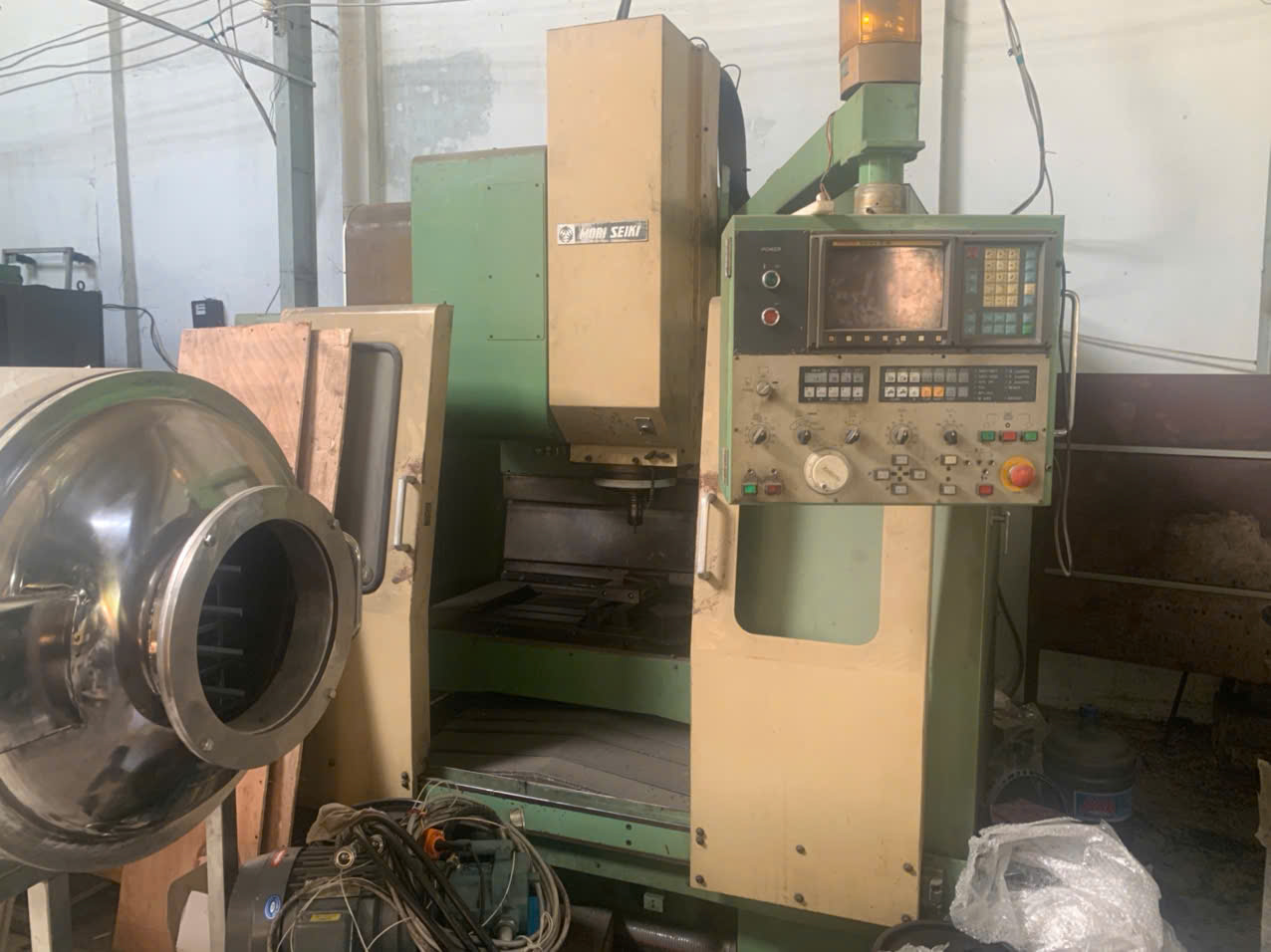
Sourcing high-precision components requires matching geometric complexity with cell architecture. Unattended China 5-axis pallet-pool cells with dynamic tool center point control (TCPC) maintain true position tolerances within ±0.008 mm per ASME Y14.5 for complex 6061-T6, 7075-T6, and 316L manifolds. Dedicated 3+2-axis and multi-axis CNC finishing setups in Vietnam cost-effectively scale high-volume secondary drilling, tapping, and surface processing.
> Key Takeaways: > - Tolerance & Kinematics: Automated 5-axis cells equipped with zero-point hydraulic pallet changers, in-spindle infrared touch probes, and TCPC achieve profile-of-a-surface tolerances within ±0.008 mm per ASME Y14.5 on 6061-T6, 7075-T6, and 316L alloys. > - Regional Integration: Triangular supply networks assign master tooling to Suzhou and Shenzhen, heavy steel forgings to Thailand EEC (Rayong and Chonburi), and multi-axis CNC finishing to Vietnam (Hai Phong and Binh Duong). > - Data-Backed Verification: The DEWIN suppliers database includes 179 Vietnamese suppliers across 37 categories, with 30 listing CNC Machining, 38 listing cnc milling machines, and 8 listing 3d cmm equipment. > - RFQ Comparability: Complete quotation evaluations require STEP/IGES 3D models alongside 2D PDF drawings defining ASME Y14.5 GD&T callouts, surface roughness (Ra 0.8 µm vs 3.2 µm), and AS9102 FAI documentation.
How Do China 5-Axis Pallet Pools Compare with Vietnam 3+2-Axis Setups?
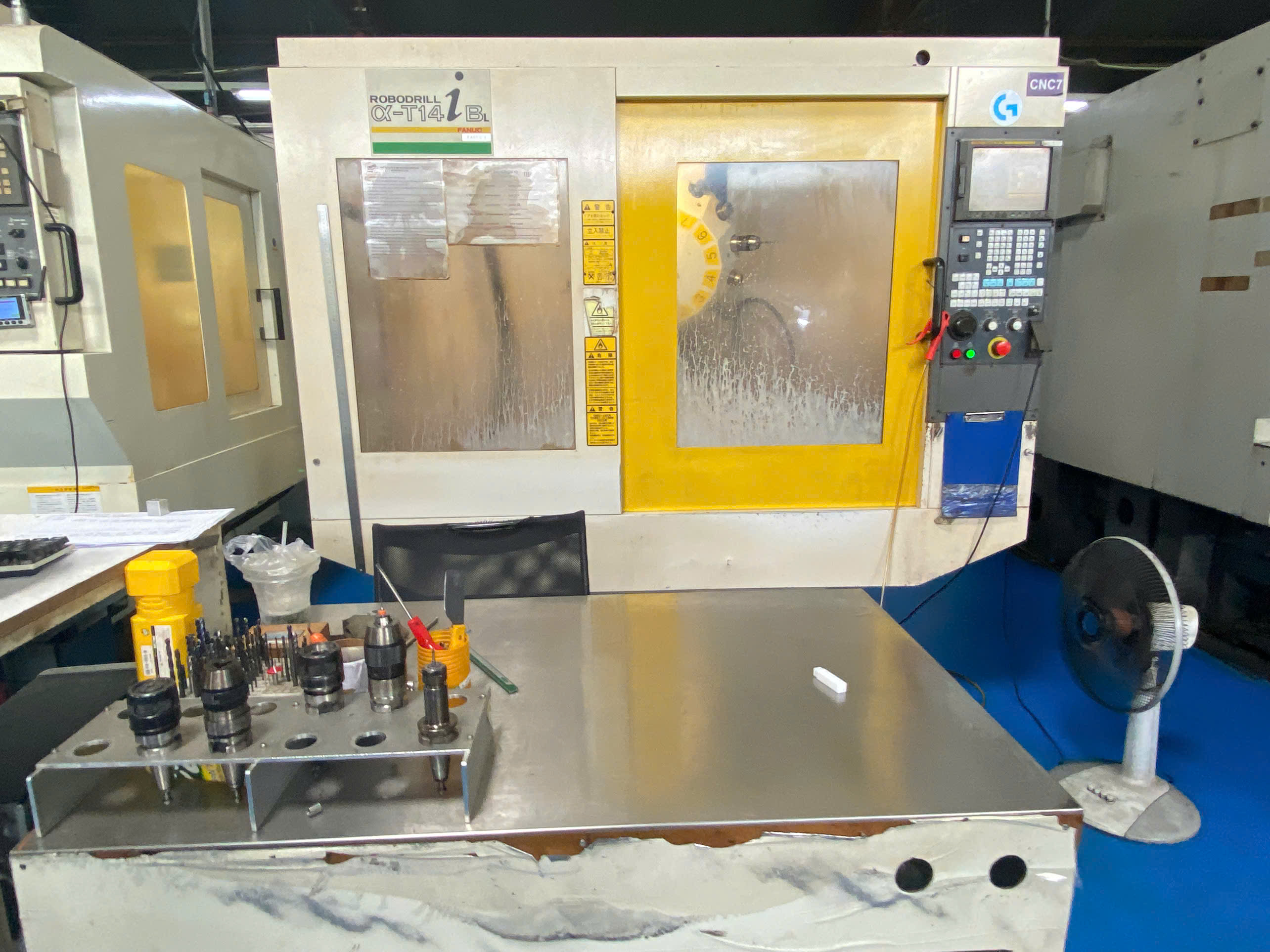
Selecting between automated 5-axis pallet-pool cells and dedicated 3+2-axis multi-machine workflows depends on workpiece geometry, volumetric density, and fixture setup requirements. In major East Asian precision hubs such as Suzhou and Shenzhen, high-complexity components—such as hydraulic manifolds and aerospace housings—utilize automated 5-axis CNC machining cells. These production units integrate zero-point hydraulic pallet changers with laser tool-breakage detectors and in-spindle infrared touch probes, enabling continuous machining across unattended shifts.
To compensate for thermal growth and multi-axis geometric drift during continuous operation, automated 5-axis cells employ dynamic tool center point control (TCPC) synchronized with kinematic calibration spheres. This capability enables automated cells to execute compound angular cuts and continuous surface contouring while holding true position and profile-of-a-surface tolerances within ±0.008 mm per ASME Y14.5 standards across raw billet materials like 6061-T6, 7075-T6, and 316L stainless steel.
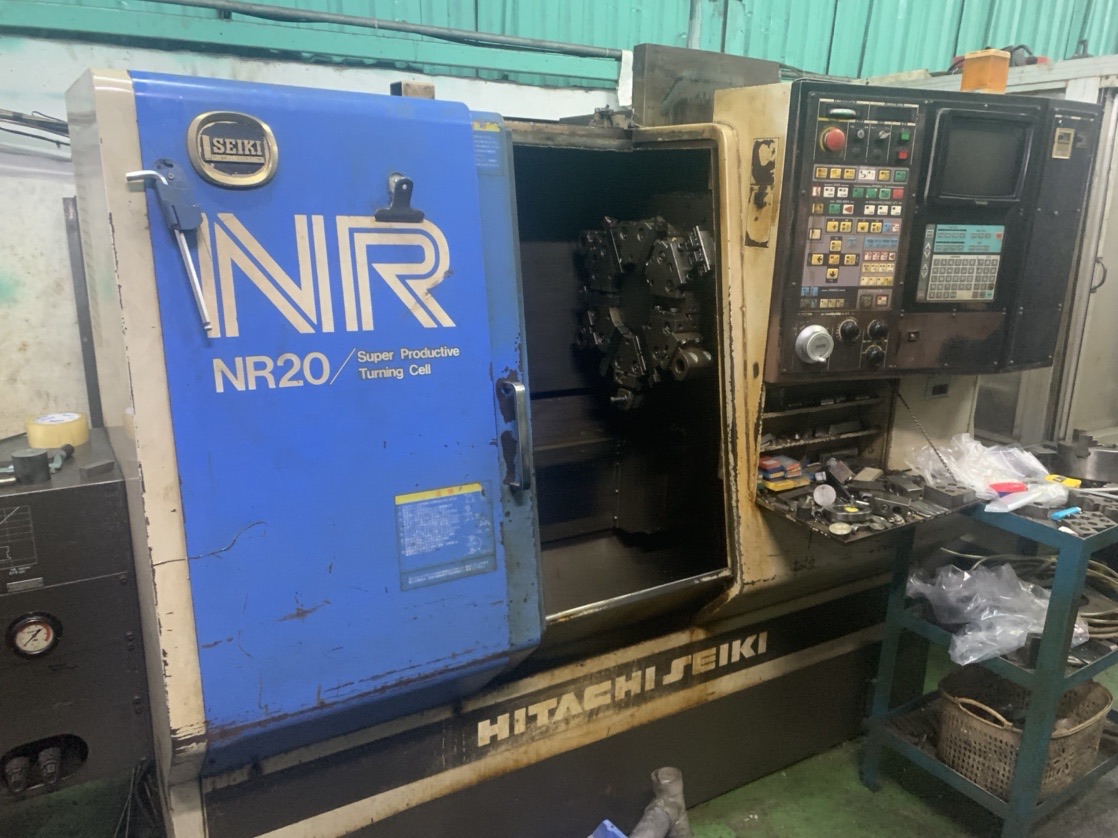
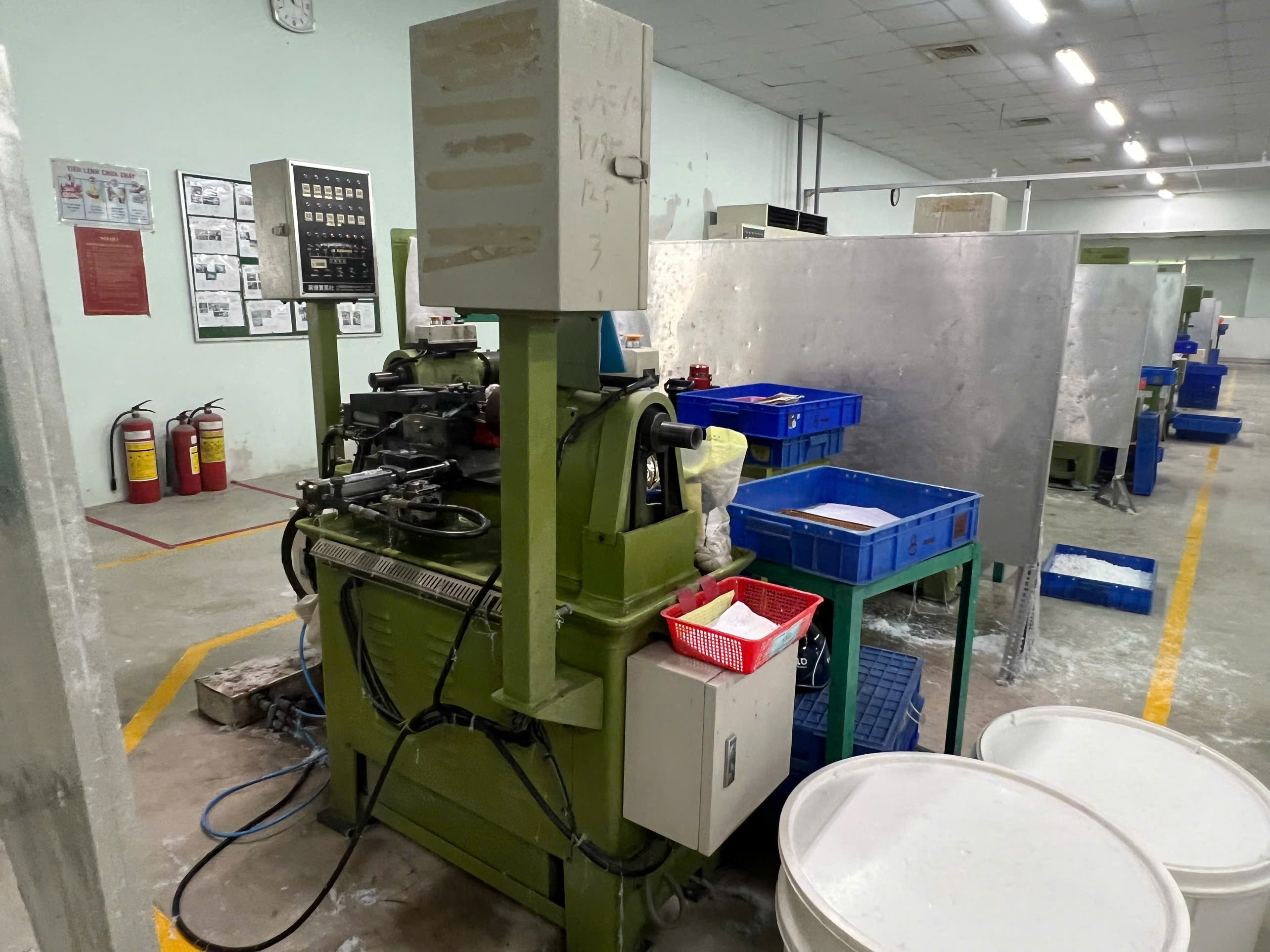
Conversely, machine shops in Northern Vietnam focus on dedicated 3+2-axis, 4-axis, and 3-axis CNC setups optimized for high-volume secondary operations. By staging secondary drilling, tapping, slotting, and surface finishing into sequential machine stations, regional suppliers maintain low cycle overheads while scaling production.
```mermaid flowchart TD subgraph China Automated Cell [China 5-Axis Pallet-Pool Cell] A[3D CAD / 2D Drawing STEP/IGES + ASME Y14.5] --> B[Zero-Point Hydraulic Pallet Changer] B --> C[5-Axis CNC with TCPC & Laser Tool Detection] C --> D[In-Spindle Infrared Touch Probe Inspection] D --> E[Unattended Shift Execution ±0.008 mm] end
subgraph Vietnam Finishing Cell [Vietnam Multi-Axis Finishing Cell] F[Cast/Forged Semi-Finished Stock] --> G[Dedicated 3+2-Axis & 4-Axis CNC Setup] G --> H[High-Volume Secondary Drilling & Tapping] H --> I[Surface Anodizing / Plating] I --> J[CMM Inspection & AS9102 FAI Approval] end ```
The table below outlines the core technical and operational distinctions between these cell configurations:
| Engineering Parameter | Automated 5-Axis Pallet-Pool (China) | Dedicated 3+2-Axis & Secondary Machining (Vietnam) | | :--- | :--- | :--- | | Primary Machine Configuration | 5-axis simultaneous with dynamic TCPC & kinematic calibration | 3+2-axis indexing, 3-axis & 4-axis multi-spindle cells | | Automation & Fixturing | Zero-point hydraulic pallet changers, laser tool detectors | Custom mechanical jigs, manual or pneumatic vice fixtures | | In-Process Quality Control | In-spindle infrared touch probes & continuous calibration spheres | Post-process CMM inspection, 3D CMM sampling | | Achievable Surface & Position Tolerance | True position & surface profile within ±0.008 mm (ASME Y14.5) | Standard tolerances across turned and milled geometries | | Target Workpiece Applications | Complex 6061-T6, 7075-T6, 316L fluid manifolds & aerospace housings | High-volume secondary drilling, tapping, and post-cast finishing |
!CNC milling machine cutting a part in a Vietnamese factory
What RFQ Parameters Impact Precision CNC Machining Evaluation?
To achieve accurate technical evaluations when issuing RFQs for CNC machining services, procurement engineers must provide complete geometric and material specifications. Quotations require 3D CAD models in neutral formats (STEP or IGES) paired with fully dimensioned 2D PDF drawings containing explicit Geometric Dimensioning and Tolerancing (GD&T) callouts according to ASME Y14.5.
Key technical variables that govern quotation accuracy and manufacturing strategy include:
1. Alloy Grade & Temper State: Standardizing alloy callouts—such as specifying aluminum 6061-T6 versus 7075-T6, or 316L stainless steel—ensures correct feed rates, spindle speed selections, and raw material procurement parameters. 2. Batch Production Scale: Directing order volumes appropriately between prototype quantities (10 to 50 pieces) and mid-to-high production runs (500 to 5,000 pieces) influences whether suppliers set up single-part modular vice fixturing or design dedicated multi-part hydraulic jigs. 3. Surface Roughness Standards: Specifying surface finish parameters, such as distinguishing between functional Ra 0.8 µm requirements and general Ra 3.2 µm milled surfaces, determines whether secondary grinding, lapping, or specialized finishing passes are built into the operation cycle. 4. Inspection & Quality Documentation: Mandating First Article Inspection (FAI) reports in accordance with AS9102 establishes formal dimensional verification protocols prior to full batch production release.
Evaluating regional supplier capability profiles through the DEWIN suppliers database provides insight into available machinery. Currently, 179 Vietnamese factories are recorded in the database across 37 industrial categories. Of the 163 factories with documented equipment inventories, 30 factories list CNC Machining as a primary category. Equipment records show 38 factories listing cnc milling machines, 30 factories listing cnc lathe machines, 8 factories listing 3d cmm equipment, and 6 factories listing cmm machines.
For instance, supplier Huynh Duc Production Trading Services lists capabilities in CNC Milling, CNC Turning, and Precision Machining, with shop-floor equipment inventory on file including a CMM 3D, bending machine, and CNC milling machine 1. Procurement teams can evaluate these capabilities directly when submitting specifications to request a quote.
Which Triangular Production Workflows Optimize Regional Manufacturing Across ASEAN?
For complex hardware assemblies combining heavy structural castings, precision interfaces, and surface treatments, regional supply chains leverage a multi-country ASEAN and East Asian manufacturing architecture. This triangular coordination delegates each phase of production to specialized regional clusters:
- China (Suzhou & Shenzhen): High-density tooling centers engineer master progressive dies and high-cavity injection molds, leveraging high-speed 5-axis tooling centers.
- Thailand EEC (Rayong & Chonburi): Automotive and heavy-industrial clusters execute high-tonnage closed-die steel forgings and heavy aluminum castings.
- Vietnam (Hai Phong & Binh Duong): Facilities receive raw forgings or cast blanks via coastal feeder vessels and the R9/R12 land corridors to perform multi-axis CNC finishing, surface anodizing or electroplating, sub-assembly, and export consolidation.
``mermaid flowchart LR A[China: Suzhou / Shenzhen] -->|Master Dies & Multi-Cavity Tooling| B[Thailand EEC: Rayong / Chonburi] B -->|Closed-Die Forgings & Castings| C[Vietnam: Hai Phong / Binh Duong] C -->|CNC Finishing, Anodizing & Assembly| D[Global Export Destinations] ``
This cross-border workflow matches structural metal forming with localized machining capabilities. In DEWIN's supplier records, 11 factories list die casting capabilities under Aluminum Die-Casting, 11 factories list Precision Casting, and 17 factories list sheet metal stamping capabilities, offering diverse options for multi-stage component processing.
Precision Manufacturing & Sourcing Specification Matrix
| Technical Dimension | Standard Commercial Grade | High-Precision OEM Export Grade | DEWIN Verification Protocol |
|---|---|---|---|
| Machining & Forming Tolerance | ISO 2768-m (±0.10 mm nominal) | ISO 2768-f (±0.01 mm – ±0.025 mm critical bores) | Calibrated 3D CMM & Air/Pin Gauging |
| Surface Roughness & Finish | Ra 1.6 – 3.2 µm as-machined / standard coat | Ra 0.4 – 0.8 µm precision ground / MIL-A-8625 anodized | Profilometer & Coating Thickness Gauge |
| Material & Alloy Certification | Supplier Mill Test Report (MTR) | Independent OES chemical & mechanical verification | EN 10204 3.1 + RoHS/REACH Compliance |
| Batch Inspection & Packaging | ISO 2859-1 (AQL 1.0 Major / 2.5 Minor) | Zero-defect critical features + VCI export crating | Pre-Shipment Inspection (PSI) Report |