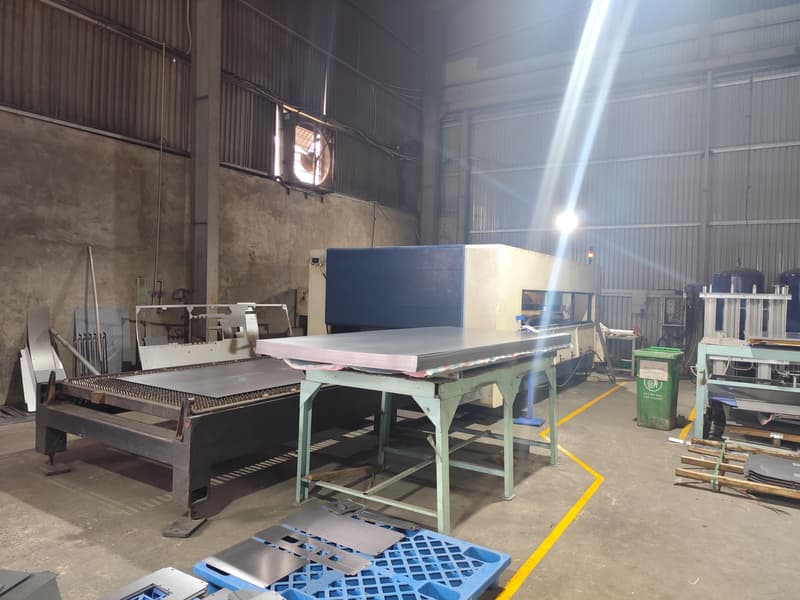
Laser, plasma, and waterjet all cut flat metal — and all three will appear in quotes when you send a sheet metal RFQ to Asia. But they differ enormously in tolerance, edge quality, thickness range, and cost per meter of cut. This guide is for design and procurement engineers who need to pick the right process (or let the supplier pick it intelligently), understand what the choice does to part cost, and write an RFQ that doesn’t accidentally force an expensive process onto a part that doesn’t need it.
Choose fiber laser as the default for sheet metal up to about 20–25 mm in steel, plasma for thick carbon-steel plate where cost per meter outranks edge finish, and waterjet only when heat, exotic materials, or extreme thickness rule the other two out.
Key takeaways:
- Vietnam’s verified partner facility ecosystem provides Tier-1 precision manufacturing with direct engineering transparency and relief from Section 301 Chinese punitive tariffs for qualifying goods.
- Technical documentation must pair 3D models with 2D drawings detailing critical GD&T datums, tolerance limits, and material specs.
- On-site supplier auditing (50-point Dolphin Audit across QCLDM) verifies machinery capacity, CMM metrology, and material traceability.
- Sourcing through DEWIN guarantees Delaware LLC contracting, streamlined RFQ turnaround and engineering review turnaround, and door-to-door DDP logistics.
Key Takeaways
- Fiber laser is the default for sheet metal up to ~20–25 mm in steel: fastest on thin gauge, best combination of tolerance (±0.1 mm typical) and edge quality for the price.
- Plasma wins on thick carbon steel plate (12–50 mm) where cost per meter matters more than edge finish; expect ±0.5–1.5 mm and some dross cleanup.
- Waterjet is the specialist: no heat-affected zone, cuts any material at any practical thickness, ±0.1–0.25 mm — but it is typically the slowest and most expensive per meter.
- Specify requirements (tolerance, edge condition, HAZ sensitivity), not processes, in your RFQ — unless you have a real reason to lock the process in.
How Does Each Cutting Process Work?
Fiber Laser Cutting
A fiber laser concentrates a high-power beam (2–12 kW is now common in production shops) that melts and vaporizes metal while assist gas ejects the molten material. Nitrogen assist gives clean, oxide-free edges on stainless and aluminum; oxygen assist cuts carbon steel faster but leaves an oxide layer. Fiber sources have largely displaced CO2 machines in new installations because they cut thin sheet several times faster and consume less power.
Plasma Cutting
Plasma forces an electrical arc through a constricted nozzle with ionized gas, creating a jet hot enough to melt any conductive metal. Modern high-definition plasma dramatically improves on old handheld-plasma reputations, but it remains a thermal process with a wider kerf, a visible heat-affected zone (HAZ), and edge bevel of roughly 1–3 degrees. Its economics shine on thick carbon steel where laser slows down and waterjet becomes prohibitively slow.
Waterjet Cutting
An abrasive waterjet pumps water to 4,000–6,000 bar and entrains garnet abrasive, eroding through material rather than melting it. Because it is a cold process, there is no HAZ, no thermal distortion, and no change to material properties at the edge — which is why aerospace and parts destined for post-cut heat treatment often specify it. It cuts anything: hardened tool steel, titanium, glass, stone, stacked sheets.
How Do Laser, Plasma, and Waterjet Compare?
This is the decision table we use when routing parts to factories:
| Attribute | Fiber Laser | High-Definition Plasma | Abrasive Waterjet |
|---|---|---|---|
| Practical thickness (carbon steel) | 0.5–25 mm | 3–50 mm (severance to 80+ mm) | 0.5–150+ mm |
| Practical thickness (stainless) | 0.5–20 mm | 3–40 mm | 0.5–150+ mm |
| Practical thickness (aluminum) | 0.5–12 mm | 3–40 mm | 0.5–150+ mm |
| Typical tolerance | ±0.1 mm | ±0.5–1.5 mm | ±0.1–0.25 mm |
| Kerf width | 0.1–0.4 mm | 1.5–5 mm | 0.8–1.2 mm |
| Edge quality | Excellent; minimal dross with N2 | Good; slight bevel, some dross on thick plate | Excellent; slight taper on thick cuts |
| Heat-affected zone | Small (0.05–0.2 mm) | Moderate (0.5–1 mm+) | None |
| Materials | Metals (reflective metals need fiber, not CO2) | Conductive metals only | Any material |
| Speed on 3 mm mild steel | Very fast (benchmark) | Fast, but inferior edge | Slow (often 5–10× laser cycle time) |
| Speed on 25 mm mild steel | Slow/marginal | Fast — the sweet spot | Very slow |
| Relative cost per meter (thin sheet) | Lowest | Low, but quality tradeoff | Highest |
| Relative cost per meter (thick plate) | High | Lowest | Highest |
| Secondary operations | Rarely needed | Dross removal, sometimes edge machining | Rarely needed; abrasive residue rinse |
Numbers are typical production ranges, not machine limits — an individual shop’s equipment and parameters will shift them.
What Drives Cost per Part and Cutting Speed?
Cutting cost is essentially (machine hourly rate × cycle time) + consumables + material, so the process choice interacts with thickness:
- Thin sheet (≤6 mm): Fiber laser wins almost unconditionally. Cycle times are so short that even a higher hourly rate produces the lowest cost per part. Waterjet on thin sheet typically costs several times more per part for no functional benefit — unless HAZ is genuinely unacceptable.
- Mid plate (6–20 mm): Laser and plasma converge. If the part goes on to welding and painting, plasma’s edge is usually acceptable and cheaper. If holes need to stay round for fasteners or the part is cosmetic, laser earns its premium. Note that plasma struggles with holes smaller than ~1.5× material thickness.
- Thick plate (20 mm+): Plasma is the cost leader on carbon steel; waterjet takes over where tolerance, material (stainless, aluminum, titanium), or HAZ rules plasma out.
- Batch size matters: Laser and plasma have near-zero per-job tooling; waterjet’s garnet consumption (often $20–$40 per machine-hour in abrasive alone) makes it expensive at any volume, so it should be reserved for parts that need it.
Also count downstream cost: a plasma-cut edge that needs grinding before welding can erase the cutting savings. Quote the full routing, not the cutting operation alone — our manufacturing cost guide covers how Vietnamese factories build up these routings.
On cost, thickness decides the winner: fiber laser is cheapest on thin sheet up to about 6 mm, laser and plasma converge from 6–20 mm, and plasma leads on carbon-steel plate above 20 mm — with waterjet reserved for parts that genuinely need a cold, HAZ-free cut.
When Should I Combine Cutting Processes?
Real products rarely use one process in isolation:
- Waterjet + laser: Waterjet the 30 mm base plate, laser the 2 mm cover — same assembly, right tool for each part.
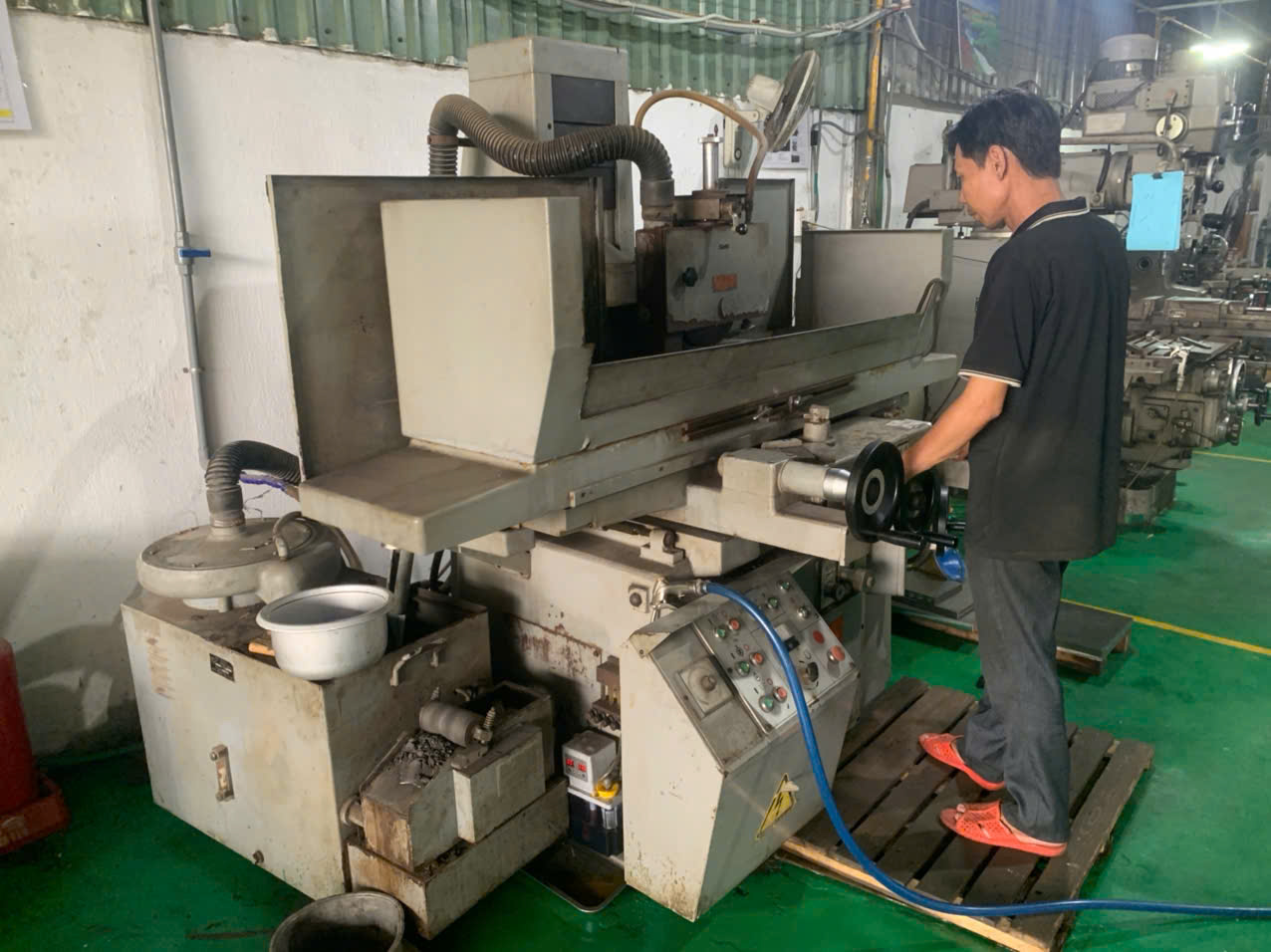
- Plasma + machining: Plasma-cut thick blanks slightly oversize, then CNC-machine the critical bores and mating faces. Common for machine frames and heavy brackets.
- Laser + bending + welding: The standard sheet metal enclosure routing — precision laser-cut blanks, CNC press brake bending, then welded and powder-coated.
- Tube laser for structures: If your weldment uses square or round tube, a dedicated tube laser cuts copes, holes, and joints in one operation and eliminates most fixturing.
Letting one supplier coordinate the combined routing usually beats splitting POs across specialty shops, because tolerance responsibility stays in one place.
What Does the Vietnamese Cutting Equipment Landscape Look Like?
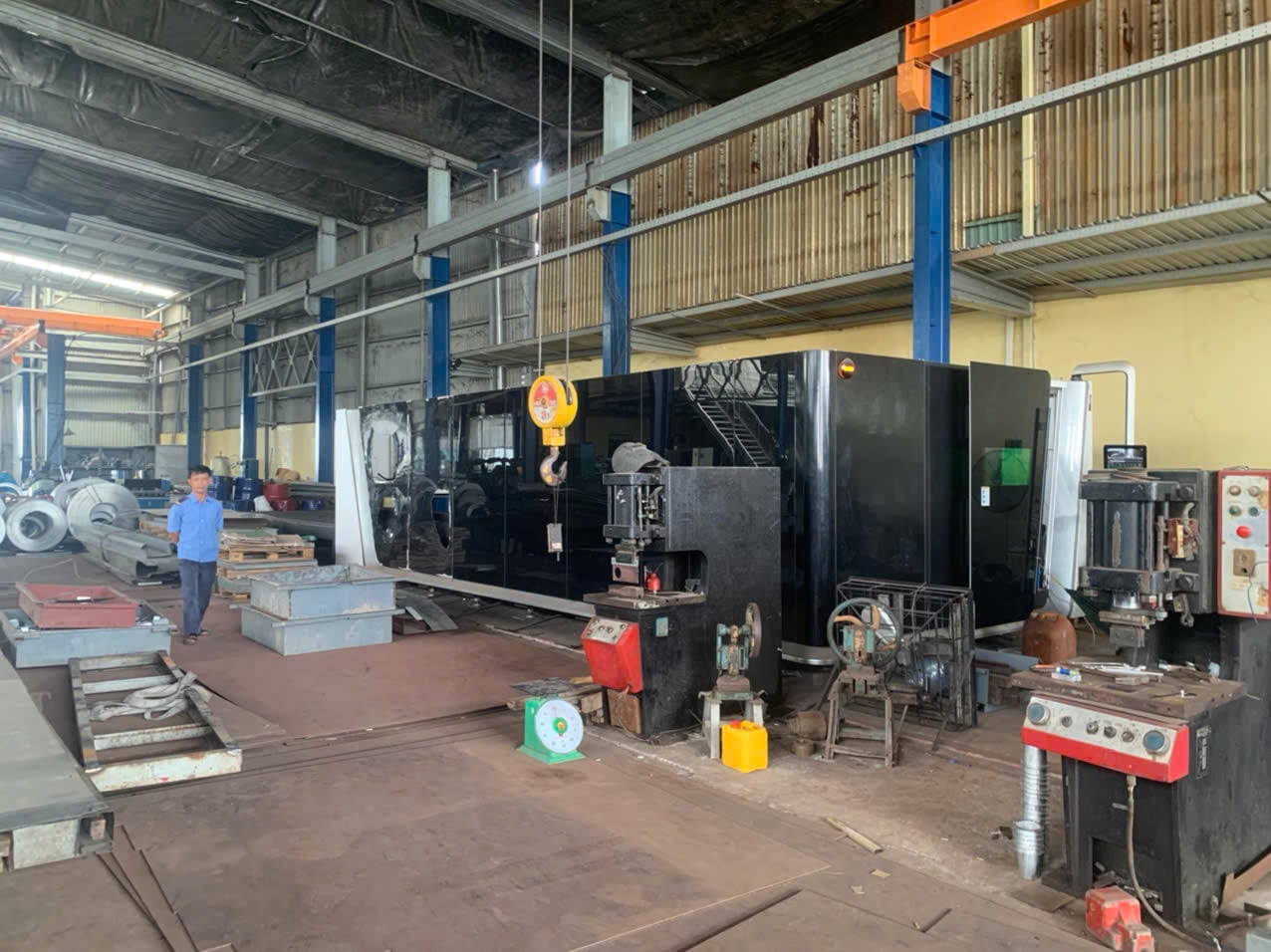
Ten years ago, waterjet and plasma dominated Vietnamese job shops. That has flipped. Fiber lasers — Trumpf, Bystronic, Amada, and increasingly capable Chinese brands like Bodor and HSG in the 3–12 kW class — are now standard equipment in export-oriented sheet metal factories around Hanoi, Ho Chi Minh City, Binh Duong, and Dong Nai. Tube lasers and automated load/unload towers are appearing in tier-1 shops serving Samsung, LG, and their export supply chains.
In Vietnam’s export sector, fiber lasers are now the default: expect laser-quality edges and ±0.1 mm profile tolerance as the standard quote basis, high-definition plasma concentrated in structural-steel shops, and thinner waterjet capacity that should be flagged early so parts route to the right factory.
Practical consequences for buyers:
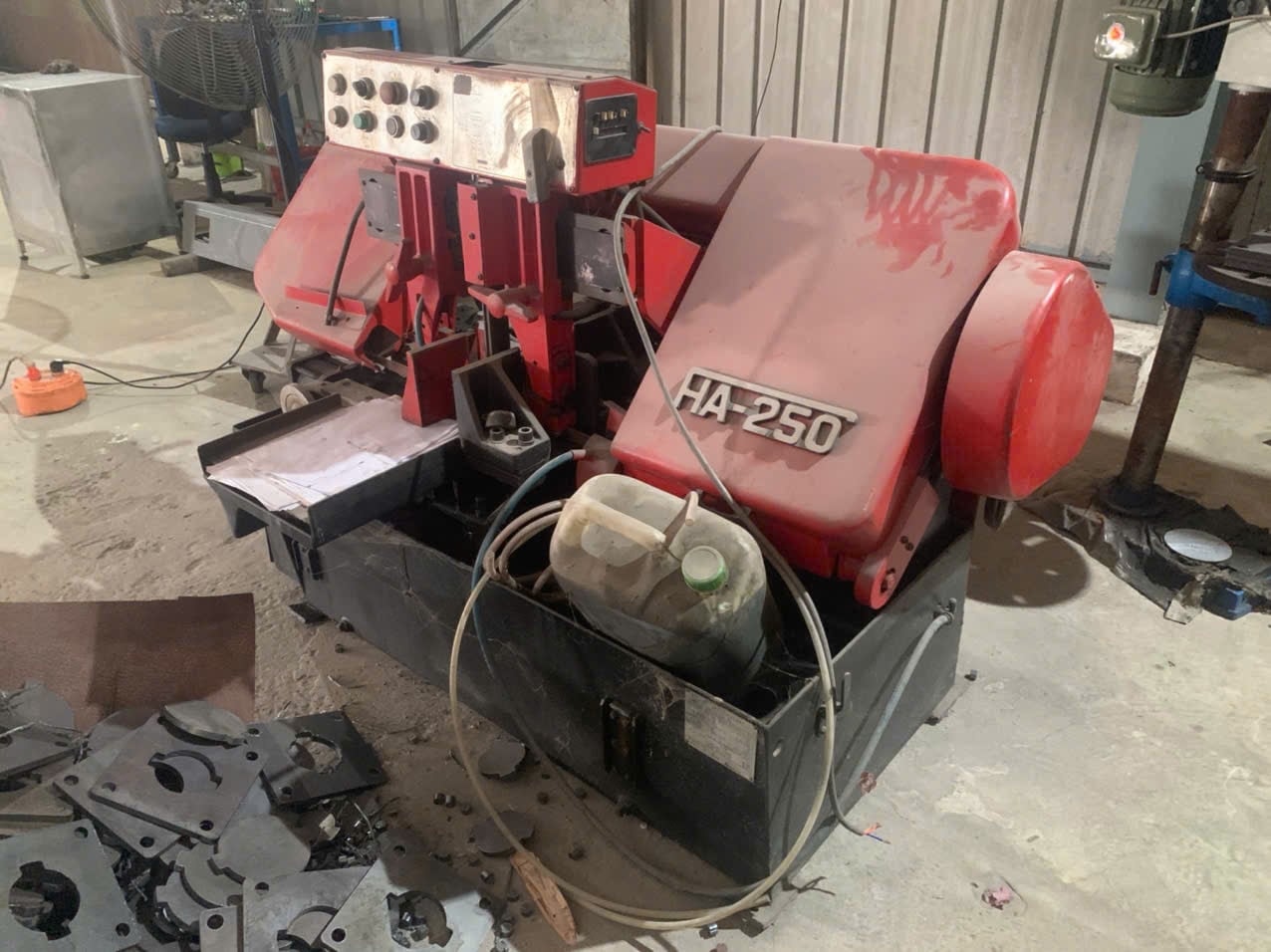
- You should expect laser-quality edges and ±0.1 mm profile tolerance as the default quote basis for sheet work in Vietnam, at pricing that typically runs 20–40% below comparable China quotes before tariffs — and Vietnam-origin parts enter the US at relief from Section 301 Chinese punitive tariffs for qualifying goods.
- High-definition plasma capacity is concentrated in structural steel and shipbuilding-adjacent factories; it is the right ask for thick mild steel weldments.
- Waterjet capacity exists but is thinner on the ground; parts that genuinely require it should be flagged early so they route to the right factory. Within DEWIN’s network of vetted Vietnamese manufacturing facilities (each vetted with our 50-point Dolphin Audit, including equipment verification), we route by installed capability rather than by what a sales office claims. Typical cutting lead times are covered on our Vietnam manufacturing lead times guide page.
What to Specify in Your RFQ: Checklist
Give suppliers requirements, not process lock-ins, and you’ll get the cheapest compliant routing:
- Material grade and thickness (with acceptable substitutes, if any)
- Profile tolerance — and which features actually need it
- Hole size/position tolerances, and whether holes are for fasteners, dowels, or clearance
- Edge condition: as-cut acceptable? Max burr/dross? Paint-ready?
- HAZ sensitivity: will the part be heat treated, certified-welded, or fatigue-loaded?
- Flatness requirement after cutting
- Downstream operations (bending, welding, coating) so one supplier can quote the full routing
- Volumes and batch sizes — process economics change with quantity
- Only specify “must be waterjet/laser cut” if a real engineering constraint demands it
FAQ
What are the main benefits of sourcing laser vs plasma vs waterjet cutting for sheet metal in Vietnam?
Vietnam offers competitive machine-hour rates, a rapidly modernizing precision supplier ecosystem, relief from Section 301 Chinese punitive tariffs for qualifying goods into the United States, and preferential trade terms under EVFTA and CPTPP. Audited suppliers in the DEWIN network maintain ISO 9001, AS9100, and IATF 16949 certifications.
How does DEWIN ensure quality and dimensional accuracy?
Every manufacturing facility undergoes the rigorous 50-point Dolphin Audit evaluating Quality, Cost, Logistics, Delivery, and Management (QCLDM). Critical dimensions are verified using on-site 3D CMM inspection, optical comparators, and full material test reports (MTRs) before shipment.
What file formats and information are required for a streamlined RFQ turnaround and engineering review?
To generate a binding quotation within 24 hours, submit 3D CAD files in neutral STEP (AP214/AP242) or IGES format alongside 2D PDF technical drawings specifying critical tolerances, surface finishes, thread callouts, and raw material grades.