
As global supply chains realign, Vietnam has emerged as a premier destination for aluminum extrusion. Heavy investment in modern presses, automated finishing lines, and integrated CNC machining now lets Vietnamese factories serve demanding markets across Europe, Japan, Korea, and North America. This guide is written for the engineer or sourcing manager who needs to specify an extruded profile correctly and qualify the factory that will run it.
To source aluminum extrusions from Vietnam, confirm the press tonnage and container size cover your profile’s circumscribing circle, specify both alloy and temper, match the finishing line to your end environment, budget die cost and correction trials up front, and qualify the supplier with a physical audit.
Key takeaways:
- Vietnam’s extrusion base runs presses from roughly 600 to 4,000+ tons, covering fine architectural profiles through large structural sections.
- Specify the alloy and temper (e.g. 6063-T5, 6061-T6) — they drive extrudability, strength, and finish, and getting them wrong is a common first-order error.
- Integrated secondary CNC machining next to the extrusion line is Vietnam’s real advantage: you buy finished components, not raw profile.
- Die cost and lead time are front-loaded — budget for die design, correction trials, and the first-article sample before volume.
- Match finishing (anodize, powder coat, thermal break) to the end environment, and qualify the supplier with a physical audit.
What Can Vietnam’s Aluminum Extrusion Factories Do?
Vietnam’s extrusion sector has moved well beyond basic profiles into end-to-end manufacturing. A capable factory takes billet to finished, machined, and coated component under one roof.
A capable Vietnamese extrusion factory takes billet to finished, machined, and coated component under one roof — running presses from roughly 600 to 4,000+ tons, integrated CNC secondary machining beside the line, and anodize, powder-coat, and thermal-break finishing matched to the end use.
1. Extrusion presses and profile capability
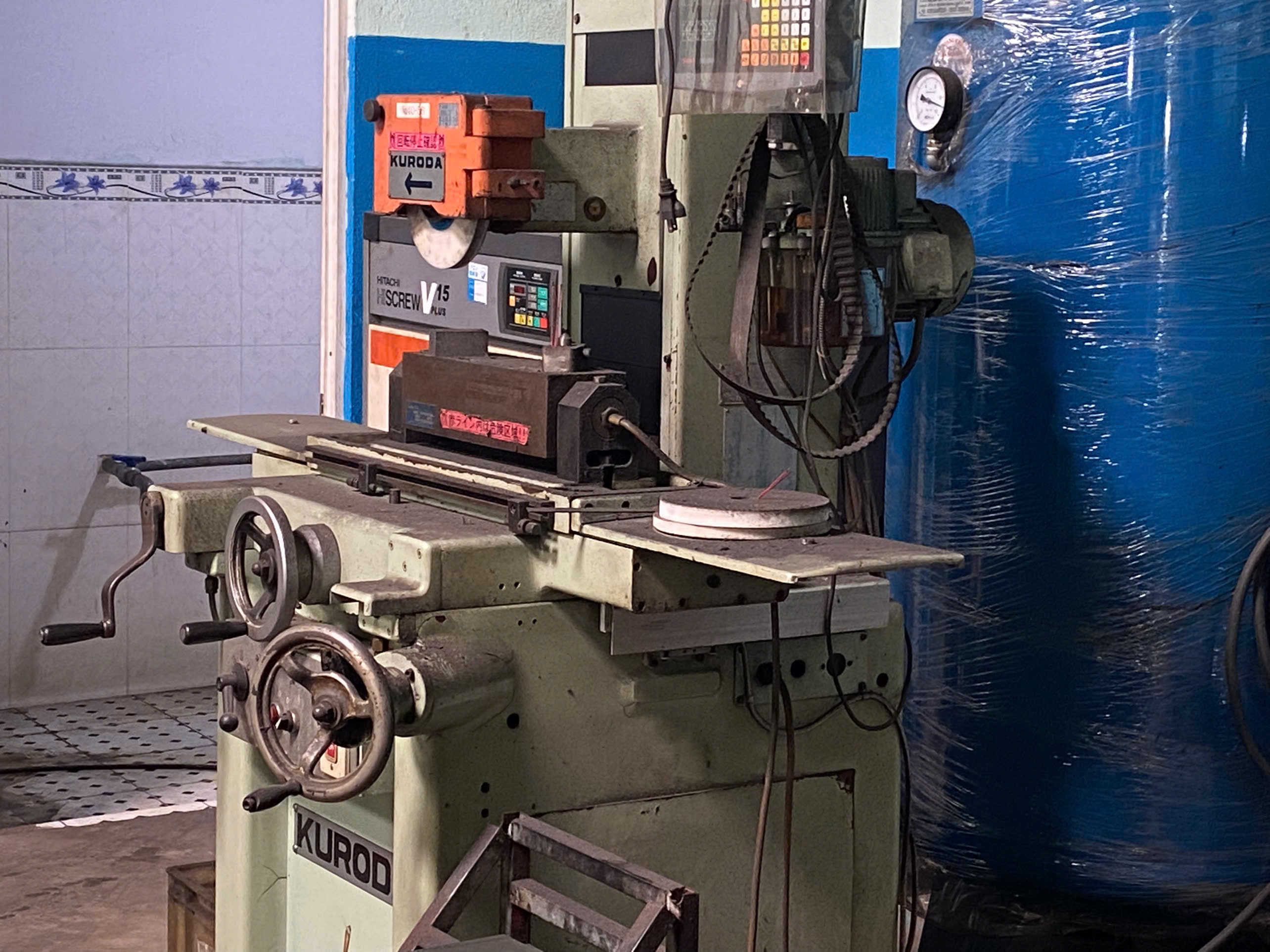
Top-tier factories operate presses from 600 to 4,000+ tons, producing intricate, tight-tolerance profiles for:
- Automotive and EV structural components
- Solar panel frames and mounting rails
- LED lighting and electronics enclosures
- Architectural facades, curtain walls, and window systems
Press tonnage and container size set the maximum circumscribing circle diameter (CCD) — the largest profile envelope the factory can extrude. Confirm your profile’s CCD fits the press before shortlisting a supplier; a section that is too large for the container simply cannot be run there.
2. Alloy and temper selection
Most extruded profiles use the 6000 series, but the specific choice matters:
| Alloy / temper | Character | Typical use |
|---|---|---|
| 6063-T5 | Excellent extrudability, fine finish | Architectural trim, frames, trim rails |
| 6063-T6 | Higher strength, good finish | Load-bearing architectural sections |
| 6061-T6 | High strength, tougher to extrude | Structural, automotive, machined parts |
| 6082-T6 | High strength, good corrosion resistance | Heavy structural, transport |
State both the alloy and the temper on your drawing. A profile called out as “aluminum” leaves the factory to guess — and the guess changes strength, wall-thickness limits, and how the surface takes anodizing.
3. Secondary machining and finishing
Global buyers need finished components, not raw lengths. Vietnamese factories have integrated CNC machining lines beside the presses for precision cutting, milling, drilling, and tapping with minimal transfer time — a meaningful lead-time and cost advantage. On the finishing side, expect:
- Anodizing — Type II (decorative/corrosion) and Type III hard anodize for wear surfaces
- Powder coating — RAL and custom colors, UV-stable formulas for exterior use
- Thermal break assembly — for window and facade systems requiring insulation
- Mechanical and chemical pre-treatment — for consistent coating adhesion
For parts that combine extrusion with heavy machining, our aluminum extrusion guide covers the design-for-manufacturing details, and CNC machining capabilities cover the secondary operations.
How Do I Budget Extrusion Die Cost and Lead Time?
The economics of extrusion are front-loaded into the die. A new profile requires die design, a hardened steel die, and usually one or more correction trials before the section runs clean and to tolerance. Plan for:
Extrusion economics are front-loaded into the die: budget for die design and manufacture, one or more correction trials, first-article sample approval, and a per-profile minimum order quantity — front-loading this schedule prevents the classic surprise where a “cheap” profile stalls for weeks in die correction.
- Die design and manufacture — a one-time tooling charge per profile
- Correction/trial runs — dimensional and surface tuning before first article
- First-article sample approval — sign off geometry and finish before volume
- Minimum order quantities — extrusion favors volume; confirm the MOQ per profile early
Front-loading this schedule prevents the classic surprise where a “cheap” profile stalls for weeks in die correction.
Which Applications Drive Vietnam’s Extrusion Demand?
Understanding where extruded profiles go helps you benchmark a factory’s real experience — a shop that runs solar frames all day is a different animal from one built around architectural trim.
Extruded profiles concentrate in renewable energy, EV and automotive, electronics and LED, and architecture — so a supplier’s real experience matters: a shop that runs solar frames all day already has the dies, fixtures, and finishing recipes for parts like yours, unlike a generic capability claim.
- Renewable energy: solar panel frames and mounting rails are a high-volume, tight-tolerance staple that rewards automated cut-to-length and punching lines.
- EV and automotive: battery enclosures, crash structures, and heat sinks demand 6061/6082 tempers, tight straightness, and often downstream CNC and friction-stir welding.
- Electronics and LED: enclosures and heat-dissipation profiles where surface finish and thermal performance matter.
- Architecture: window systems, curtain walls, and facades where anodize/powder finish quality and thermal-break assembly are the differentiators.
When you audit a supplier, ask which of these they run at volume today. Real, repeated experience in your application is worth more than a generic capability claim — it means the dies, fixtures, and finishing recipes for parts like yours already exist on the floor. For EV-specific sourcing, see our EV component manufacturing guide.
A Reliable Partner for the World
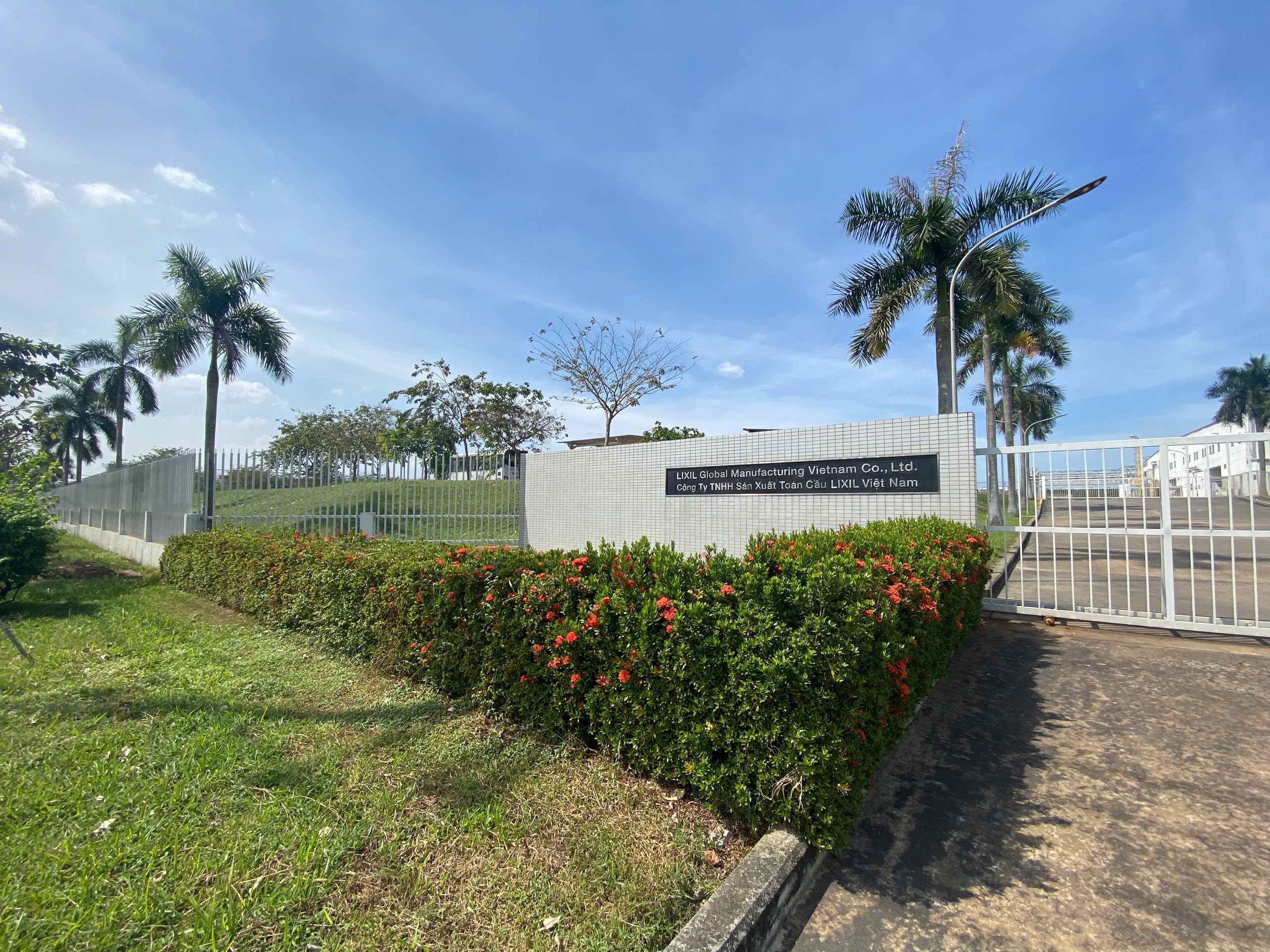
Vietnam’s location, deepwater ports, and FTA network (EVFTA, CPTPP, RCEP) make it an efficient trade hub, with Vietnam-origin goods currently carrying a relief from Section 301 Chinese punitive tariffs for qualifying goods. But trade access is worthless if the factory cannot hold profile tolerances or finish quality. Qualify against certifications (ISO 9001, IATF 16949 for automotive) and a physical audit.
Supplier qualification checklist
- Press tonnage and container CCD cover your profile envelope
- Alloy and temper capability matched to your spec
- Documented die management and correction process
- Integrated or nearby CNC secondary machining
- Finishing line matched to your end environment (anodize/powder/thermal break)
- Certification matched to application and current
- Physical audit report and QCLDM tier on file
Frequently Asked Questions
How much does an extrusion die cost, and who owns it?
Die cost is a one-time tooling charge that varies with profile complexity and size; hollow and multi-void profiles cost more than solid sections. Contract clearly on die ownership and storage. Working through a single accountable counterparty — DEWIN contracts via a US Delaware LLC — keeps the tooling agreement under US jurisdiction.
What tolerances can Vietnamese extruders hold?
Standard profile tolerances follow published extrusion standards, tightened selectively for critical features via secondary machining. As with any process, tolerance only what function requires — extra-tight callouts across a full profile inflate cost and scrap risk.
Should I anodize or powder coat?
Anodize for a hard, integral, corrosion-resistant surface that keeps the metallic look; powder coat for opaque color and thicker protection in harsh environments. Type III hard anodize suits wear surfaces. Match the finish to the end environment and confirm the factory’s finishing line supports it.
Can one factory do extrusion, machining, and finishing together?
Yes — that integration is Vietnam’s real advantage here. Buying finished, machined, coated components from one audited supplier cuts transfer damage and keeps the part under one Certificate of Origin for FTA compliance.
Vietnam’s extrusion factories pair modern presses with integrated machining and finishing — the discipline that pays off is specifying alloy and temper correctly and qualifying the supplier before volume. Explore the aluminum extrusion service, browse audited suppliers, or get an instant quote with your profile drawing.