
Vietnam’s machining sector has moved from low-cost assembly to genuine precision engineering in under a decade. For buyers who need reliable CNC partners — and who have been burned by directories that overstate what a shop can actually hold — this showcase goes past the factory facade to the equipment, metrology, and materials that determine whether your parts arrive in spec.
To source precision CNC parts from Vietnam, match the shop’s machine mix and metrology to your part, then qualify it with an equipment-level audit and a First Article Inspection on the pilot lot — verifying a calibrated CMM and documented tolerances, not a certificate scan.
Key takeaways:
- Top Vietnamese CNC shops run 3-, 4-, and 5-axis milling, live-tool turning, and Swiss-type lathes from Japanese, German, and Taiwanese builders.
- The metrology room tells the truth. A calibrated CMM and documented tolerance records matter more than any brochure claim.
- Achievable tolerances of ±0.005 mm are real on the right machine — but you pay for every tight callout, so tolerance only what function requires.
- Match the shop to the material: aluminum, stainless, tool steels, engineering plastics, and superalloys each need different tooling, fixturing, and experience.
- Qualify with an equipment-level audit and a First Article Inspection, not a certificate scan.
What Equipment Do Vietnam’s Top CNC Factories Run?
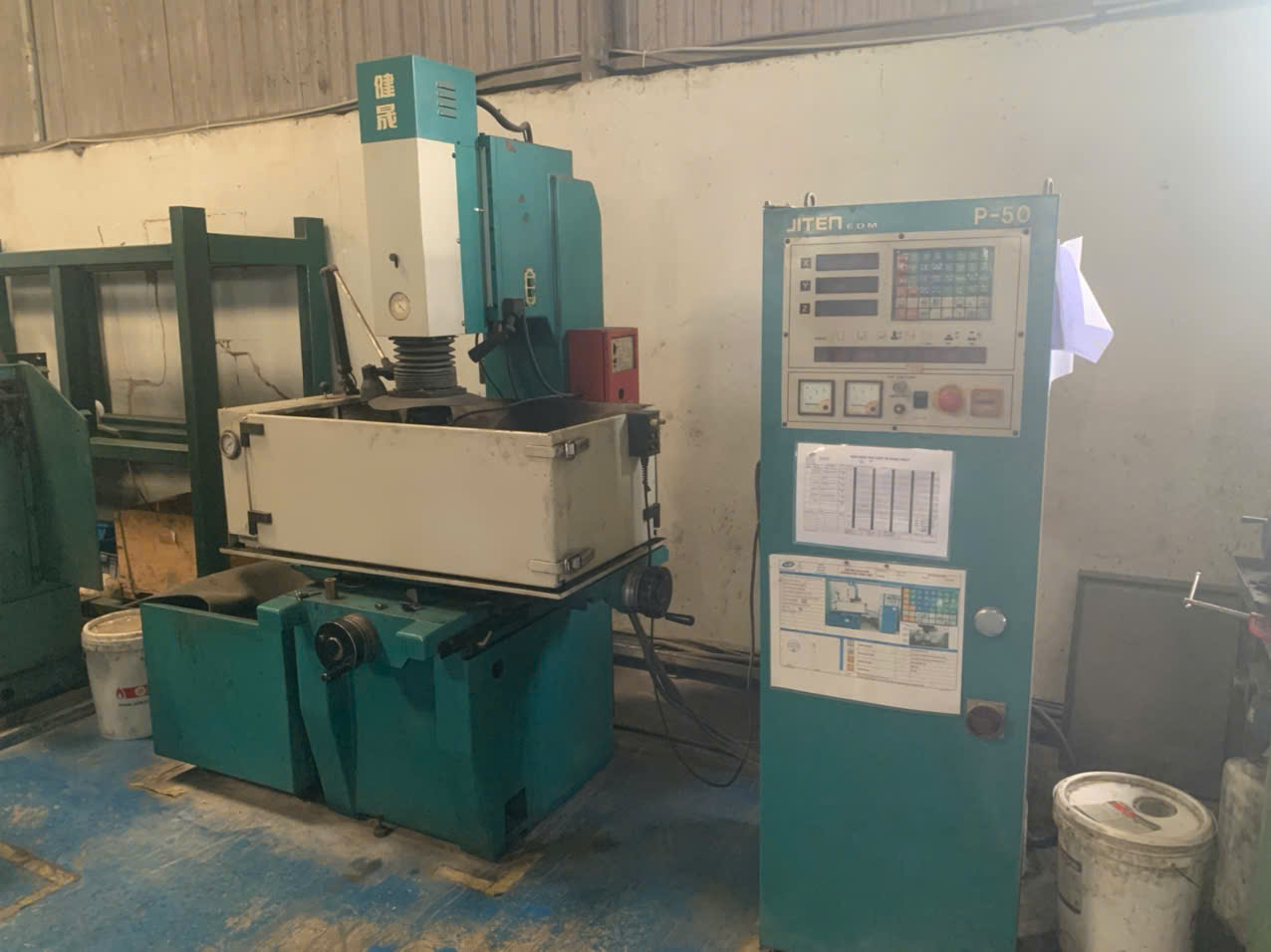
The clearest change in Vietnamese machining over five years is capital investment. Leading shops now run current-generation machines aimed at aerospace, medical, and automotive work.
| Machine type | Typical builders | Best for |
|---|---|---|
| 5-axis machining centers | Haas, DMG Mori, Mazak | Complex geometry in one setup, aerospace brackets, impellers |
| 3-axis VMCs | Haas, Brother, Doosan | Prismatic parts, plates, housings |
| CNC lathes with live tooling | Mazak, Doosan, Okuma | Turned parts with milled features |
| Swiss-type lathes | Citizen, Star | High-volume, small-diameter, tight-tolerance parts |
Running a part on a 5-axis center in a single setup eliminates the stack-up error that creeps in across multiple 3-axis fixtures — which is why complex medical and aerospace geometry migrates to those machines. What you want to confirm on an audit is not just that the machine exists, but its age, controller generation, and whether there is spindle-hour headroom for your volume.
How Do I Verify a CNC Shop’s Quality Control?
Precise parts require precise measurement, and metrology is where a serious shop separates itself. verified partner factories run coordinate measuring machines (CMM) from Zeiss and Mitutoyo, optical comparators, and surface-roughness testers, holding tolerances as tight as ±0.005 mm on capable machines. Many hold ISO 9001, and specialized shops carry AS9100D (aerospace) or ISO 13485 (medical).
To verify a Vietnamese CNC shop’s quality control, confirm the CMM is calibrated with a current certificate and require a First Article Inspection that maps every drawing dimension to a measured result — a clean FAI on the pilot lot proves the shop understands your acceptance criteria.
Two things to verify: that the CMM is calibrated (ask for the certificate) and that the shop can produce a First Article Inspection report mapping every drawing dimension to a measured result. A shop that hands you a clean FAI on the pilot lot is a shop that understands your acceptance criteria. For a fuller treatment, see CNC machining tolerances in Vietnam.
Which Materials Can Vietnamese CNC Shops Machine?
Vietnamese CNC providers process a broad materials range, but experience is not uniform across all of them — match the shop to the metal.
Vietnamese CNC shops machine aluminum, stainless and tool steels, engineering plastics, and superalloys like titanium and Inconel — but experience is uneven, so match the shop to your specific metal and confirm it has run that material before, not just that it “can”.
- Aluminum (6061, 7075): the workhorse; fast, well understood, excellent surface finish
- Stainless steels (304, 316, 17-4 PH): slower, work-hardening; confirm tooling and coolant strategy
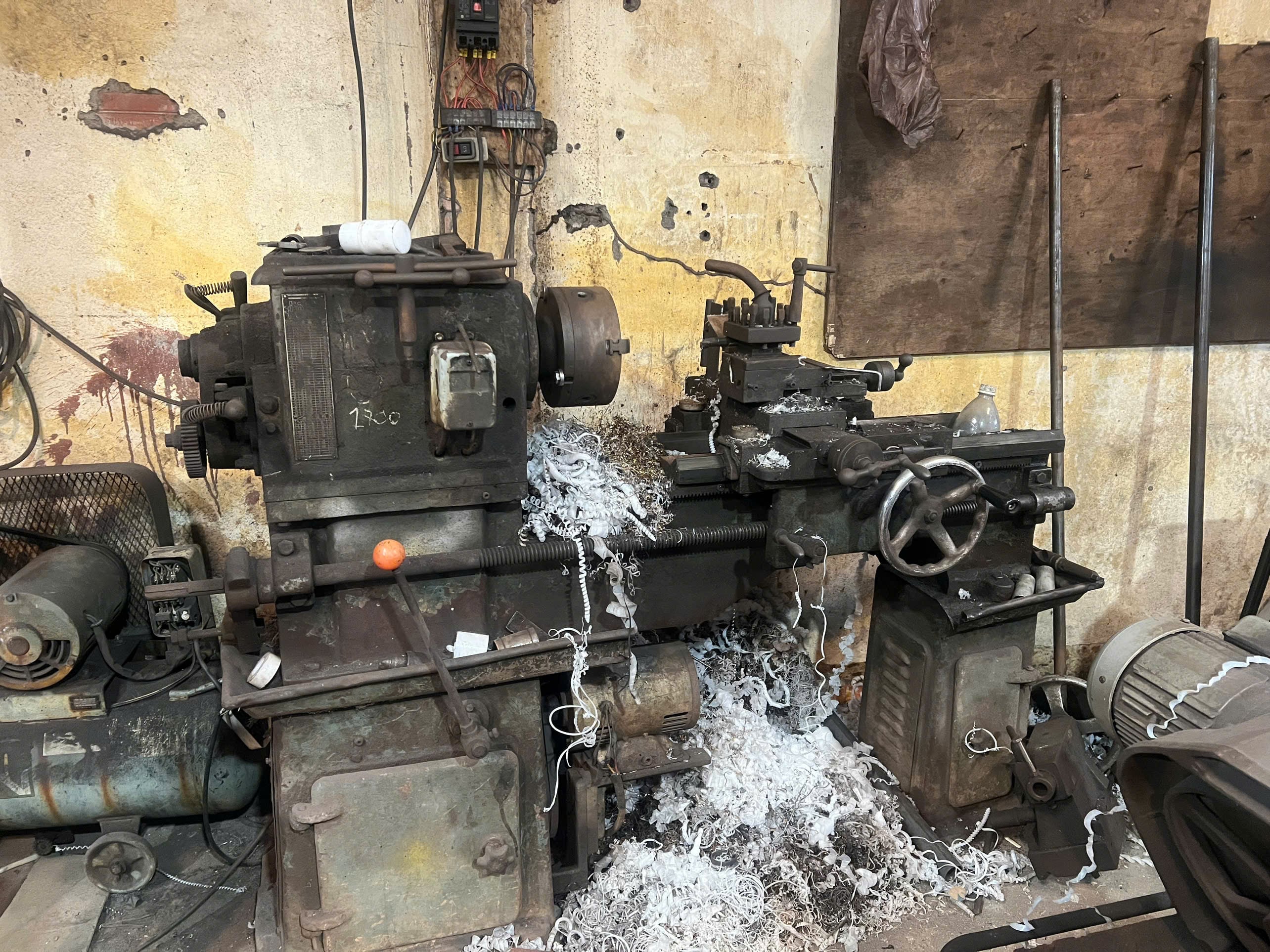
- Tool and alloy steels: hardened work may need EDM or grinding as secondary operations
- Engineering plastics (Delrin, PEEK, PTFE): need sharp tooling and careful fixturing to avoid deflection
- Superalloys (Titanium, Inconel): demanding on tooling and rigidity; verify the shop has done it before, not just that it “can”
If your part sees a lot of aluminum volume, our aluminum CNC machining cost breakdown shows where the money goes.
How Should I Set Tolerances to Control Machining Cost?
The single biggest lever on a machined-part quote is your tolerance scheme. Every tight callout adds setups, inspection, and scrap risk. Practical guidance:
- Use a sensible general tolerance (e.g. ISO 2768-m) and tighten only critical features
- Reserve ±0.01 mm and finer for true functional interfaces — bearing bores, mating faces, datums
- Call out surface finish only where it matters; a blanket Ra requirement inflates cost
- Choose datums the shop can actually fixture on
- Send a STEP file plus a dimensioned 2D drawing — the drawing is the contractual inspection document
Can One Shop Take My Part From Prototype to Production?
A capable shop should support your part across its whole life, not just win the first prototype. The transition from a one-off proof to a repeatable production process is where offshore programs most often stumble.
The right Vietnamese CNC partner supports your part across its whole life: fast prototypes for validation, retained fixtures and programs for bridge volume, and SPC on critical dimensions with a locked revision in production — so part 5,000 is identical to part 5.
- Prototype stage: speed and iteration matter more than price. Expect a first article in days to a couple of weeks; use it to validate fit, function, and your drawing itself.
- Bridge/low volume: the shop should hold your fixtures and program, so repeat lots do not re-incur setup engineering each time.
- Production stage: ask for SPC on critical dimensions, a documented process (fixtures, tools, speeds), and a locked revision. This is what keeps part 5,000 identical to part 5.
The practical test is whether the same shop that quoted your prototype can scale it without re-quoting the engineering from scratch. Shops that treat every lot as a new job add cost and drift; shops that retain your process data give you consistency. For lead-time planning across stages, see Vietnam manufacturing lead times.
How to Qualify a Vietnamese CNC Shop
Before you place the order, confirm every item:
- Machine mix matches your part (axis count, turning vs milling, envelope)
- Spindle-hour headroom for your volume
- Calibrated CMM with a current certificate
- First Article Inspection agreed on the pilot lot
- Documented experience in your specific material
- Certification matched to application (AS9100D / ISO 13485 as needed)
- A physical audit report and QCLDM tier on file
Frequently Asked Questions
What tolerances can Vietnamese CNC factories actually hold?
On capable machines with proper metrology, ±0.005 mm on critical features is achievable, with general dimensions comfortably to ISO 2768-m or -f. The right question is not the tightest number a shop can hit once, but whether it can hold your specific tolerances repeatably at volume — which an FAI plus SPC data on the pilot lot will show.
Do I need a 5-axis shop for my part?
Only if the geometry requires it. 5-axis shines on complex contoured parts and reduces setups (and stack-up error) on multi-face work. Simpler prismatic parts run faster and cheaper on 3-axis VMCs or a lathe with live tooling. Let the geometry decide, not the marketing.
How do I verify a shop is a real manufacturer, not a broker?
Require floor photos of the actual machines tied to your quote, a calibrated CMM, and a named quality contact. A physical Dolphin Audit confirms the equipment exists and is running — the most common offshore failure is discovering the “factory” subcontracted your parts.
What files should I send for a machining quote?
A STEP file for geometry and a dimensioned 2D PDF drawing for tolerances, finishes, and notes. The 2D drawing is the document your parts are inspected against — if a dimension matters, it must appear there.
Vietnam’s machining base has the machines, the metrology, and the materials depth that precision programs demand — the discipline that pays off is verifying them against your own parts. Explore the CNC machining service, browse audited suppliers, or get an instant quote with your STEP file and drawing.